 Polski

Russian dwarf hamster winter coat & torpor – recognize and act calmly
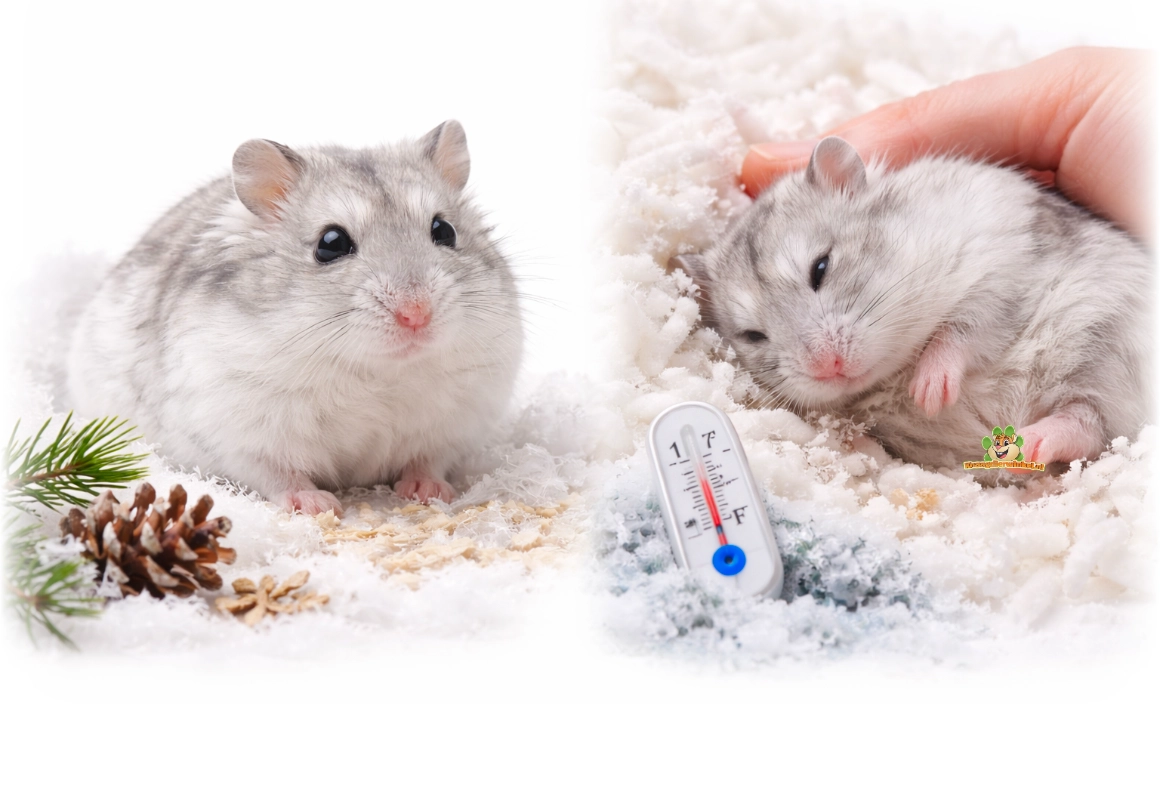 Russian dwarf hamsters are known for their winter coat (lightening) and for torpor (also known as winter paralysis). This sounds dramatic, but with the right knowledge, you can approach it very practically: what's normal, what's a sign, and what should you do if your hamster feels "cold and lethargic"? On this page, we clearly explain the differences.
Back to the hub: Russian dwarf hamster – care, housing, feeding & behavior
Quick to:
✓ Winter coat is often normal
Becoming lighter can correspond to seasonal stimuli (light/dark), without anything being wrong.
✓ Torpor = energy level
Often triggered by (too) cool climates and/or low energy intake.
✓ Act calmly
Warm up gradually and observe. If in doubt, consult a veterinarian early.
What is winter coat?
Some Russian dwarf hamsters' coats can lighten during the winter months. This is related to seasonal stimuli (light/dark and environment) and varies by animal and line. Winter coat is primarily a change in coat : your hamster will eat, drink, and otherwise behave normally.
What is torpor (winter paralysis)?
Torpor is a kind of "power saving mode" in which the hamster slows down significantly to conserve energy. This can occur during prolonged cooler conditions (often around/below 17°C ) and can also occur with reduced energy intake and seasonal stimuli.
Signs & Differences (Winter Coat vs. Torpor)
- Winter coat: mainly color/change in coat; behavior and appetite remain normal.
- Torpor: Hamster feels colder, is lethargic, slow to react and may appear “stiff”.
- Important: Torpor is not a "sleep." The animal is noticeably less alert and has a lower body temperature.
What do you do calmly if you suspect torpor?
Calm step-by-step plan
- Stay calm and carefully remove your hamster from its enclosure.
- Warm up gradually (for example in your hands, calmly and without crowding).
- Then place the animal in a warmer, draft-free part of the room.
- Check whether your hamster becomes more active again and whether there is any eating/drinking behaviour afterwards.
- If in doubt, or if your hamster is not clearly improving, consult a vet .
Prevention: climate, food & furnishing
- Temperature stable: guideline around 20–24°C, avoid prolonged cold/draught.
- Deep bedding: helps with insulation and natural “nest warmth”.
- Feed smart: ensure there is sufficient wholesome food and offer foraging (no scarcity incentive).
- Measuring is knowing: check temperature/humidity with a thermo-hygrometer .
Winter Coat & Torpor Checklist
- ✓ Winter coat = often just a coat change; behavior remains normal.
- ✓ Torpor = feeling cold/sluggish/stiff; warm up slowly and gradually.
- ✓ Keep the climate stable and draught-free, especially in winter.
- ✓ If in doubt or if there is no recovery: consult a veterinarian.
FAQ – winter coat & torpor
Do every Russian dwarf hamster turn white in winter?
No. It varies from animal to animal. Some change color significantly, others hardly at all. Russian dwarf hamsters in the following colors never change color: Black, Russian Blue, Dove, and Chocolate.
Is torpor the same as hibernation?
No, torpor is a temporary energy state. The most important thing is to recognize it and warm up slowly and gradually.
Questions? Visit our service page .
✓ Clear difference between winter coat and torpor
✓ Calm step-by-step plan without stress
✓ Specialist selection assistance since 2011

