 Polski

Junior food for young growing rodents and rabbits
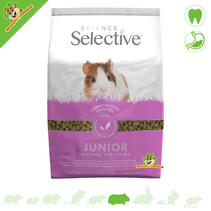
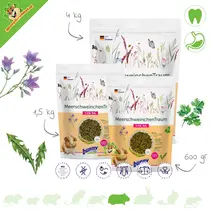
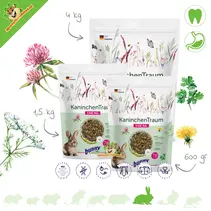
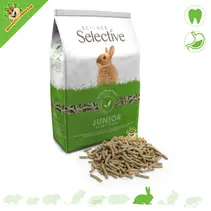

Junior rodent food – tailor-made nutrition for young growing animals
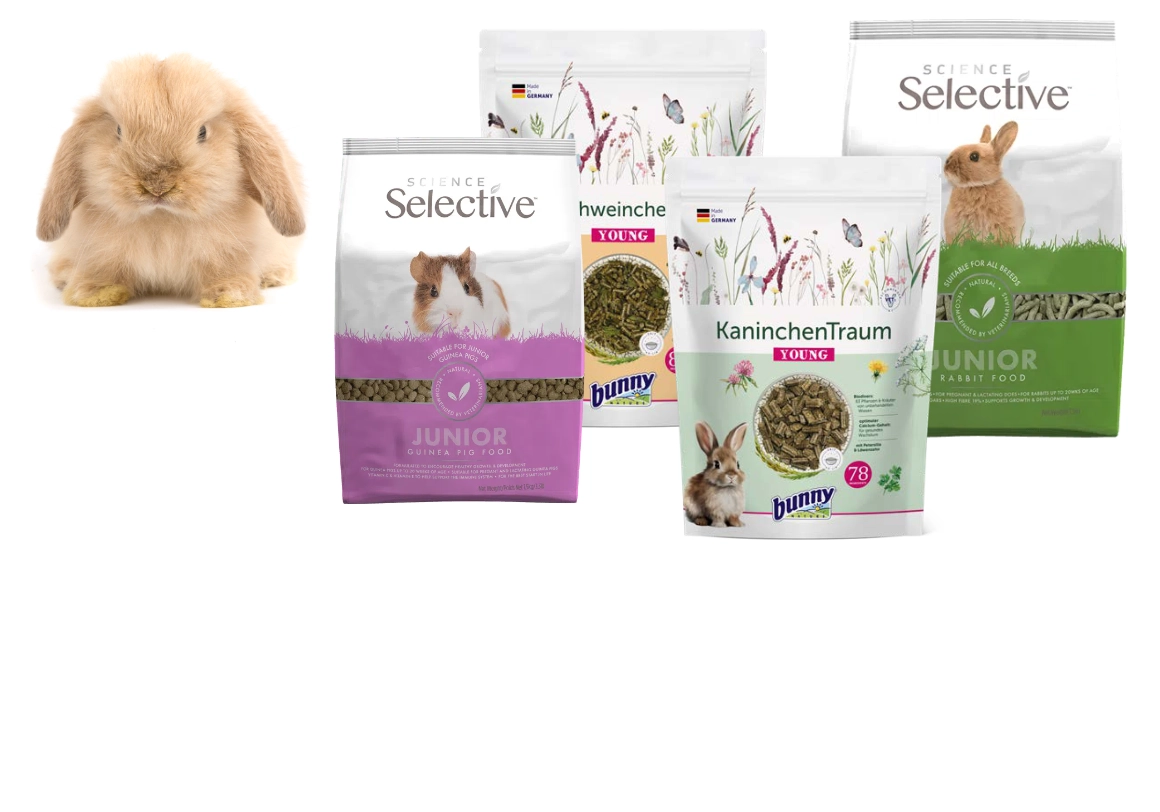 Young animals have different nutritional needs than adults. They are developing, growing rapidly, and require a nutritional base appropriate for their age, body type, and routine. In this category, you'll find junior rodent food specifically formulated for young animals (especially young rabbits and guinea pigs, and where available, other species as well). You'll find clear selection guidance, helpful tips on combining products, and products designed for a stable start. Specialists since 2011, so you can choose with confidence.
Junior food is designed with growth in mind. It helps you establish a stable nutritional foundation that suits young animals and their daily routines. Want to compare all the options within food? Then also check out our Feed section .
For young rabbits and guinea pigs, hay is a staple in their daily routine. Manage your hay supply and offer it appropriately with products from Hay & Feeders .
A fixed feeding area makes it easier to see what your young animal is actually eating. Preferably use stable feeding bowls and always provide fresh water in bottles/water bowls .
Why junior rodent food?
Junior food isn't "small adult food." Young animals grow quickly and require a different balance in their diet than adults. A good junior food choice helps you maintain consistency, especially during periods when there are often many changes (moving, acclimating, hierarchy, routine).
- Stable base in a phase with much development.
- Helps to establish a daily routine (hay, water, fixed feeding area).
- Helps you choose when you are unsure about “what is logical for a young animal?”.
Which animals is junior food mainly intended for?
In this category, you'll mainly find junior varieties for young rabbits and young guinea pigs . For other rodents, the rule of thumb is generally: choose a food that's specifically suited to the species and life stage (if a junior variety is available, it's clearly indicated).
Would you also like to see other feeding styles (for example, all-in-one kibble/pellets)? Then go to All-in-one kibble & pellet food .
How to choose the right junior rodent food
With these points you can quickly make a suitable choice:
- Animal species – always choose a product that is specifically intended for your animal (rabbit is not the same as guinea pig).
- Age group – Junior versions are intended for a build-up phase; transition to adult later.
- Routine – want to keep things very manageable? Then complete chunks/pellets are often practical.
Unsure between junior and adult? It helps to consider your pet's age, size, and condition and the product information. You can always contact our customer service team .
Feeding & transitioning quietly
Always follow the instructions on the packaging (which vary by brand and animal species). When switching to a new food, do so gradually:
- Day 1–3 : 75% old + 25% new
- Days 4–6 : 50% old + 50% new
- Day 7–10 : 25% old + 75% new
- After that : completely new (if all goes well)
Extra practical: feed at fixed times and use a stable feeding area. See: feeding bowls .
Combine (hay/fresh) – this keeps the menu logical
For young herbivores, the following generally applies: hay is the foundation , junior feed is the supplement to your routine. Complete it with:
- Hay (available daily): hay .
- Water (always fresh): drinking bottles/water bowls .
- Enrichment in the habitat (searching/activity): playing & foraging .
Looking for support for special situations? Also see Special Nutrition & Forced Feeding .
Maintenance & hygiene
- Daily : Check food and water points, remove any leftovers, and refresh the water.
- Weekly : Clean food bowls and water points extra well.
- Store food in a dry, cool place and tightly sealed (this will keep it fresh for longer).
- Practical products can be found at: food bowls and drinking bottles & water bowls .
Checklist: junior rodent food properly arranged
Before you make your junior choice, please review this list:
✔ I choose a junior variant that suits my animal species
✔ Hay is regularly provided as a base (for herbivores): hay
✔ I feed according to the guidelines on the packaging
✔ Food and water points are stable: food bowls and drinking bottles/water bowls
✔ When switching, I mix the food gradually (not all at once)
Safety warnings
- Always choose junior food that is explicitly intended for your animal species and age stage.
- It is best to switch to new food gradually to keep the routine calm.
- Store food in a dry place and tightly sealed; do not use food that smells or looks different from normal.
- Always provide fresh drinking water and a stable feeding area.
- If you have any doubts about appetite, stool or condition, consult a veterinarian.
FAQ – frequently asked questions about junior rodent food
Until what age should I give junior food?
This varies by animal species and brand. It's best to follow the instructions on the packaging and consider your animal's growth, condition, and routine.
Is junior food necessary for all rodents?
Not always. This category primarily features junior varieties for young rabbits and guinea pigs. For other species, choose a food specifically suited to the species and life stage (if such a variety exists).
Should I continue feeding hay with junior food?
For young herbivores, hay is a staple in their diet. Manage your supplies with hay .
Can I combine junior food with other food?
Yes, but keep it manageable. Combine it with hay (for herbivores) and provide fresh water. For added variety, you can add enrichment through play and foraging .
Where can I find all the food subcategories together?
View Nutrition or Feed .
Why buy junior rodent food from DRD Rodent Shop®?
✔ Specialist since 2011
✔ Ordered before 5 PM = shipped the same day
✔ Delivered from our own stock
✔ Smartly selected range with clear selection aid

