 Polski

Rodent food and rabbit food


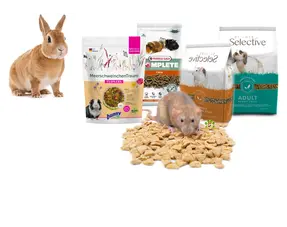

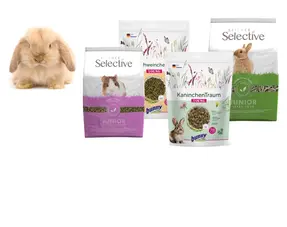
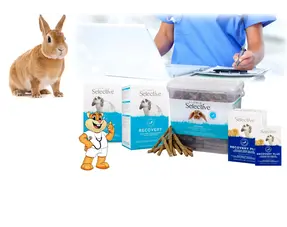
Food for rodents and rabbits
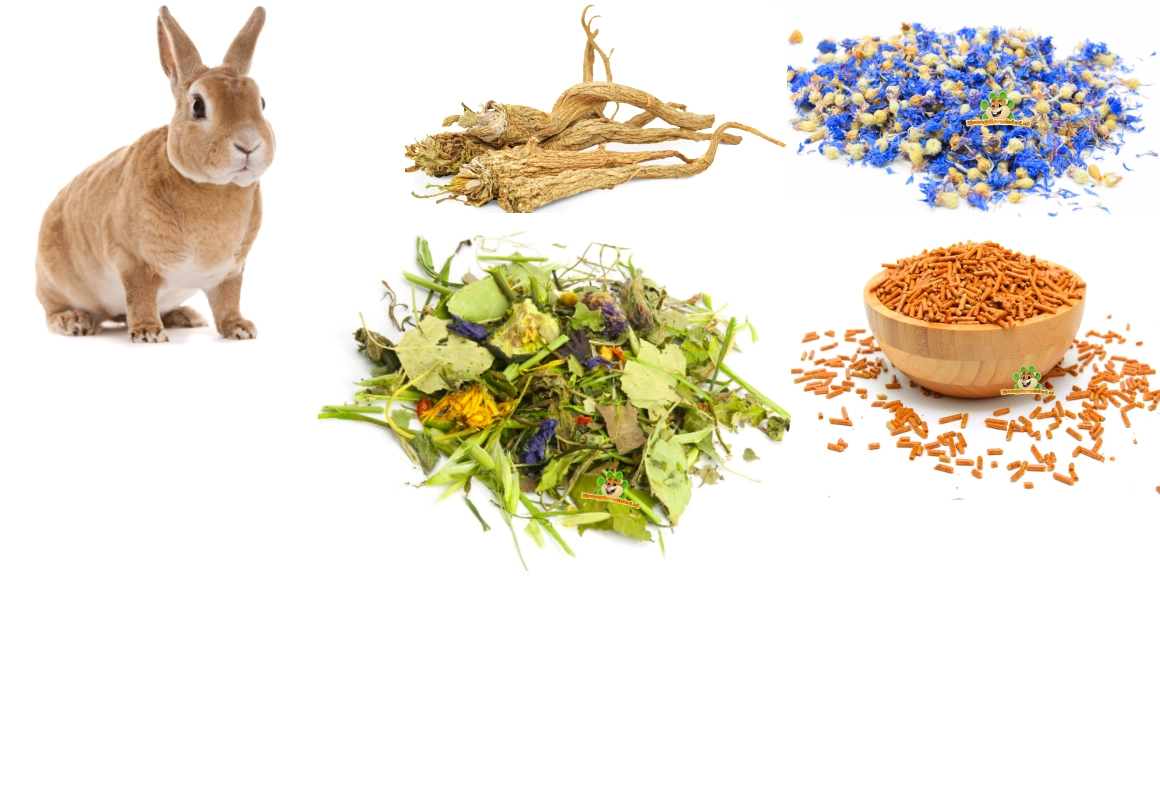 Are you looking for suitable food for your rodent or rabbit ? In this main category, you will find various food lines and feeding styles: from general food , natural pellet-free food , and all-in-one kibble and pellet food to grain-free food , junior rodent food , and specialty food & force-feeding .
When it comes to nutrition, DRD looks not only at “which bag of food should I buy?”, but primarily at what is right for the animal species, eating behavior, and daily routine. A rabbit or guinea pig has a different nutritional basis than a hamster, mouse, gerbil, rat, chinchilla, or degu. Therefore, this page helps you choose based on feeding style, composition, life stage, and application.
In short
✓ Choose food based on species first: a herbivore, granivore, or omnivore requires a different basis.
✓ Next, choose the feeding style: pellet-free, all-in-one, grain-free, junior, or specialty food.
✓ Good nutrition supports the daily routine, but never replaces hay, species-specific care, or veterinary advice where necessary.
Quick links
Subcategories | Choosing food | Feeding styles | By species | Switching | Storage | Combining | Checklist | Good to know | FAQ
Feed
The comprehensive feeding route with basic nutrition per animal species and feeding style. Handy when you want to compare different foods.
Natural pellet-free food
For owners who would like more variety, structure, and forage value in the daily feeding.
All-in-one kibble and pellet food
Uniform nutrition where every kibble contains the same base. Practical when you want to limit picky eating.
Grain-free feed
For situations where you are deliberately seeking a grain-free feed line. Pay close attention to whether this suits the animal species and the overall composition.
Junior rodent food
Nutrition for growing young animals, tailored to life stage and brand/species advice.
Special diet & force feeding
For targeted support when eating is difficult or when a product with a specific application is needed. If in doubt, consult a veterinarian.
How do you choose the right food?
Always start with the animal species. Rabbits, guinea pigs, chinchillas, and degus are herbivores and require a fiber-rich routine in which hay plays a major role. Hamsters, dwarf hamsters, mice, gerbils, and rats have a different dietary profile, with more emphasis on seeds, grains, animal or plant protein sources, and species-specific variety.
Next, you choose the feeding style. An all-in-one kibble or pellet is practical when you want to limit selective eating. Pellet-free food or natural blends provide more structure and forage value, but also require your animal to eat the entire meal thoroughly. You should only choose grain-free food if that food line suits your animal in terms of content, and not just because “grain-free” sounds appealing.
Finally, consider life stage, condition, portion size, acceptance, and ease of storage. A food should not only sound good but also fit practically into your daily routine: measuring, keeping fresh, combining with hay or herbs, and checking that your animal continues to eat well.
Feeding styles: pellet-free, all-in-one, grain-free, junior and specialty food
Basic feed
Basic feed is the daily diet suitable for the animal species. This can consist of kibble, pellets, mixed feed, or natural food, depending on the animal and the chosen feeding style.
Natural pellet-free food
Pellet-free food contains visible ingredients and often provides more variety and forage value. It is especially suitable when your animal eats the whole thing well and does not just select the tastiest parts.
All-in-one kibble and pellet food
All-in-one food is uniformly composed. Every kibble or pellet contains the same base, making it usually easier to limit selective eating. This is useful for animals that otherwise primarily choose the tastiest pieces from a mix.
Grain-free feed
Grain-free food may be suitable for certain herbivores and specific feed lines, but it is not automatically better for every animal. For hamsters, mice, gerbils, and rats, grain-free is not necessarily the most logical basis, as these animals often have a different nutritional profile.
Junior rodent food
Junior food is intended for growing young animals. Always check the animal species, age, brand recommendation, and product description, as “junior” may be interpreted differently by brand and animal group.
Special diet & force feeding
Specialized food and force-feeding should be used on a targeted basis. This may be temporarily necessary when eating is difficult or when an animal requires extra support. Veterinary advice is always required in cases of poor eating, lethargy, or doubt.
Nutrition per animal species
Rabbits
Rabbits need a fiber-rich routine in which hay forms the basis. Rabbit food is supplementary and must be appropriate for age, weight, activity, and the overall diet. Also view rabbit food , rabbit pellets , and rabbit hay .
Guinea pigs
Guinea pigs need hay daily, as well as suitable guinea pig food. Pay extra attention to a clear vitamin C routine for guinea pigs. Also view guinea pig food and nutrition , guinea pig pellets , and vitamin C for guinea pigs .
Hamsters and dwarf hamsters
Hamsters and dwarf hamsters require species-appropriate nutrition with sufficient variety and suitable protein sources. Foraging aligns well with their natural behavior: scatter part of the food through the bedding or hide small portions in the enclosure. Also view hamster food and hamster animal proteins .
Mice
Mice require a suitable basic diet that matches their small size and active eating behavior. Scattering small portions throughout the bedding can stimulate foraging behavior. Also view mouse food and mouse hay, herbs, and seeds .
Gerbils
Gerbils enjoy using food as part of their digging and foraging behavior. You can combine a suitable gerbil diet with seeds, herbs, and a natural setup. Also check out gerbil food and gerbil hay, herbs, and seeds .
Rats and pygmy rats
Rats eat the same type of basic food as dwarf rats; a separate dwarf rat food is usually not necessary in terms of content. Choose based primarily on good composition, portion size, acceptance, and activity. While size can vary among dwarf rats, when it comes to nutrition, portion size and condition are the main factors. Also view rat food and rat pellets .
Chinchillas
Chinchillas require a simple, fiber-rich routine with appropriate chinchilla food and good hay. Be sparing with extras and keep the daily diet straightforward. Also check out chinchilla food and chinchilla hay & herbs .
Degus
Degus require a simple, high-fiber, and carefully chosen diet. Pay extra attention to low-sugar choices and keep snacks and fruit-based extras limited. Also check out degu food , degu pellets , and degu herbs .
Switching to different food
Are you changing food? Build this up gradually. First, mix a small amount of the new food with the old food and increase it step by step. This way, your animal can get used to the smell, texture, and taste, and you can clearly see if the food is being eaten.
For rabbits and guinea pigs, it is especially important to continue closely monitoring appetite, droppings, and hay intake. For hamsters, mice, gerbils, and rats, primarily check that the animal is not just picking the tastiest parts from a mix. For chinchillas and degus, keep the transition calm and modest.
If your animal suddenly stops eating, becomes lethargic, or its behavior changes noticeably, then that is no longer just a normal food choice, but a reason to contact a veterinarian.
Storing and keeping food fresh
Store food in a dry, cool, and tightly sealed. This helps preserve aroma, texture, and taste better. Preferably use a sealed storage container or seal the original packaging tightly. Do not place food in direct sunlight, next to damp areas, or near strongly scented cleaning products.
For larger packages, use the “oldest first” principle and check regularly if the food still smells fresh. It is best not to offer food that smells musty, damp, discolored, or unusual. Clean food bowls and feeding areas regularly so that old leftovers do not remain under new food.
Combine well with food
Hay & hay racks
For rabbits, guinea pigs, chinchillas, and degus, hay is part of the daily diet.
Snacks
Snacks are extras. Choose species-appropriately and use them as a supplement, not as the main food.
Playing & foraging
Make feeding more active by hiding or scattering part of the food.
Checklist: choosing food
✓ Does the food suit the animal species and the natural eating profile?
✓ Do you choose a daily basic diet or a targeted supplement?
✓ Do you want to limit selective eating with all-in-one kibble, or rather forage value with pellet-free food?
✓ Is the life stage correct: junior, adult, or older/weakened animals?
✓ Is the portion clear and practical to measure?
✓ Can you store the food in a dry, cool, and well-sealed place?
✓ Do you contact a veterinarian in case of poor appetite, lethargy, or rapid deterioration?
Good to know about nutrition
Grain-free is not automatically better
Grain-free can be suitable for certain feed lines, especially when the overall composition matches the species. For granivores and omnivores such as hamsters, mice, gerbils, and rats, grain-free is not necessarily the best basis.
Watch out for picky eating
With mixed or pellet-free food, an animal may pick out the tastiest parts. Therefore, check whether the entire meal is eaten and adjust the feeding style if your animal consistently selects.
Targeted use of special nutrition
Specialty food and force-feeding are intended for specific situations. Veterinary advice is important in cases of persistent poor appetite, weight loss, or if there is any doubt.
Feed is part of the whole
Good nutrition works in conjunction with hay, water, exercise, rest, species-appropriate housing, and daily checks. So always look at the entire routine, not just the bag of feed.
Frequently asked questions about nutrition for rodents and rabbits
Which food is best for rodents?
The best food depends on the animal species. A rabbit, guinea pig, hamster, mouse, gerbil, rat, chinchilla, or degu each has a different nutritional profile. Therefore, always choose by animal species first, and then by feeding style.
What is the difference between pellet-free and all-in-one feed?
Pellet-free food contains visible ingredients and provides more variety and forage value. All-in-one food is uniformly formulated, meaning every kibble has the same base and selective eating is usually better limited.
Is grain-free food suitable for all rodents?
No, grain-free food is not automatically suitable or better for all rodents. It depends on the animal species, the nutritional profile, and the overall composition of the product.
When do you choose junior rodent food?
Choose junior food for growing young animals when the product is clearly suitable for the species and age. Always read the product description and brand recommendations.
When do you use special feeding or force feeding?
Specialized food or force-feeding is used specifically, for example when eating is difficult or when an animal needs extra support. Veterinary advice is important in cases of persistent poor eating or doubt.
Do dwarf rats eat different food than regular rats?
Basically, dwarf rats eat the same type of food as domestic rats. The difference lies mainly in portion size, body size, condition, and activity, not in a completely different type of food.
How do you switch to different food?
Gradually mix the new food with the old food and increase the proportion of new food step by step. This allows your animal to get used to it, and you can easily monitor whether the food is being eaten.
What is the best way to store rodent food?
Store food in a dry, cool, and tightly sealed place. Regularly check the smell, texture, and freshness. It is best not to offer food that smells musty, wet, or unusual.
Buy food at DRD Knaagdierwinkel®
At DRD Knaagdierwinkel®, you will find food for rodents and rabbits that suits the species, feeding style, life stage, and daily routine. We select based on application: basic food, pellet-free feeding, all-in-one kibble, grain-free feeding, junior food, and targeted specialty food.
Would you like to look further specifically? Then go to Food , Natural Pellet-Free Food , All-in-One Kibble and Pellet Food , Grain-Free Food , Junior Rodent Food or Specialty Food & Force Feeding .
✓ Specialist since 2011 in species-specific nutrition for rodents and rabbits
✓ Carefully selected assortment: DRD chooses what really feels right for the animal, nutrition, and daily routine
✓ Delivered from our own stock and shipped from the Netherlands to the Netherlands, Belgium, Germany, and other EU countries
