 Polski

Herbal bath for sand-bathing rodents
- Posted on
- By DRD Knaagdierwinkel
- Posted in Care, Chinchilla, degu, Dwarf Hamster, Gerbil, hamster
- 0
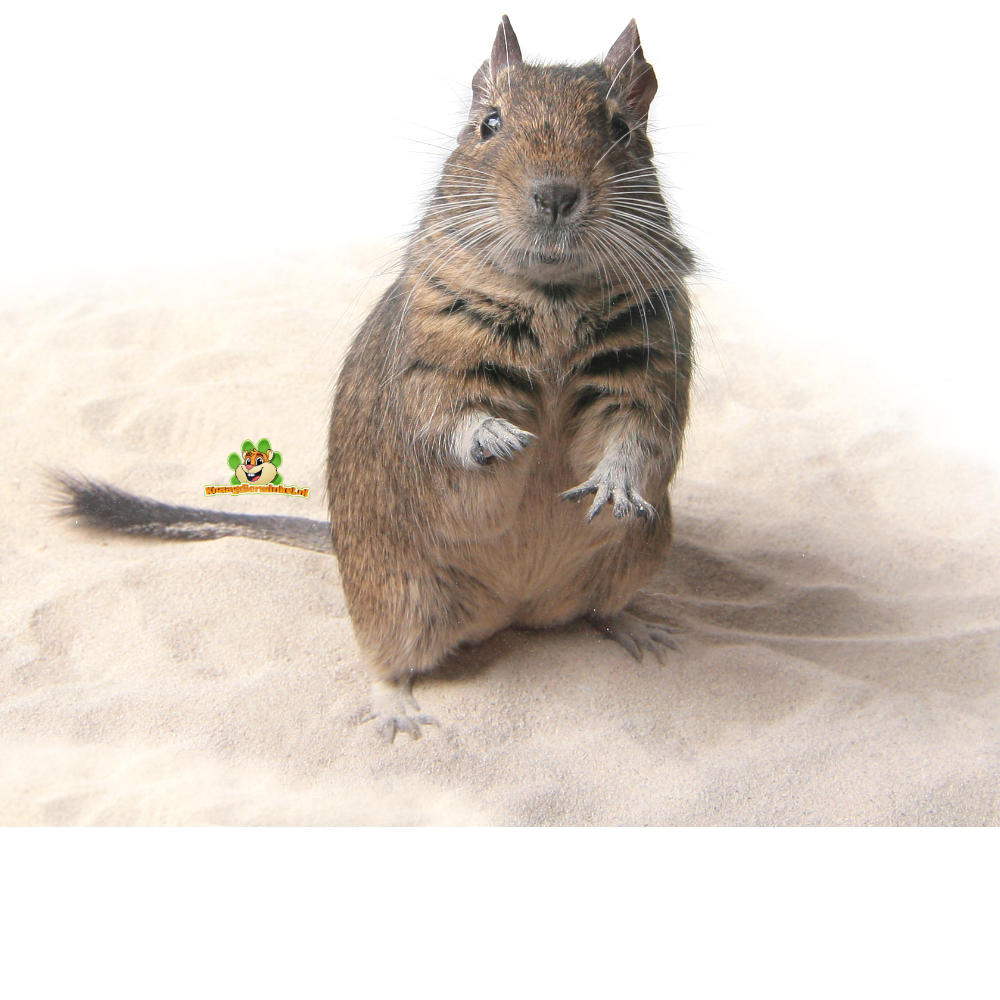
Some rodents such as the Gerbil, Chinchilla and Degu have a great need to bathe in sand. Bathing is not only relaxing for the animals, but also cleanses the coat, leaving it healthy and shiny. In these animals, the fur becomes greasy faster than normal, this has to do with the climate in which the animals live. Dry warm areas.
Herbal Bath Sand: why sepiolite matters (and how to use it safely)
 A sand bath is not “just a nice extra” for many small animals — it’s part of natural coat care and daily enrichment. But not every sand is suitable. In this blog we explain what quality bath sand is (sepiolite), which animals truly need it, how to set up a sand bath, and why herbal bath sand can be a fun enrichment upgrade.
Want to browse straight away? Start here: Sand & bath sand and Sandboxes for rodents.
1) What is bath sand (sepiolite)?
Most high-quality “chinchilla sand” and bath sands are made from sepiolite, a naturally occurring clay mineral. Sepiolite sand is fine and soft, so it can work through the coat and help remove loose dirt and excess oils without being abrasive.
Why not regular sand? Playground sand, building sand and shell grit are much coarser and can irritate delicate skin and fur. Especially chinchillas (and often degus and gerbils too) benefit from a soft, fine mineral bath sand.
2) Which animals need a sand bath?
- Chinchillas: a sand bath is essential for coat care. Use proper chinchilla sand.
- Degus: most degus use a sand bath happily and regularly (often the same sand as chinchillas).
- Gerbils: a sand bath supports coat care and adds enrichment (many also love using it as a “toilet corner”).
- Hamsters: many enjoy it; for desert species like Roborovski dwarf hamsters, sand is strongly recommended.
Browse per species: Chinchilla sand • Chinchilla sandboxes • Gerbil sandboxes • Hamster sand & sand baths.
3) The right setup: box, depth & routine
- Use a stable sandbox with a safe entry.
- Fill with ~ 3–5 cm sand for bathing (deeper is fine if your animal enjoys digging).
- Place it dry and not in full sun.
- Offer daily for chinchillas; for others: often works best as “always available”.
- Remove droppings/dirty corners every day or every other day.
- Sieve the sand if you prefer (especially for large sandboxes).
- Replace fully when it no longer feels fresh or becomes damp/clumpy.
- If you notice skin or coat issues: contact your vet for advice.
Looking for a good box? See: Sandboxes for rodents.
4) Herbal bath sand: what it adds
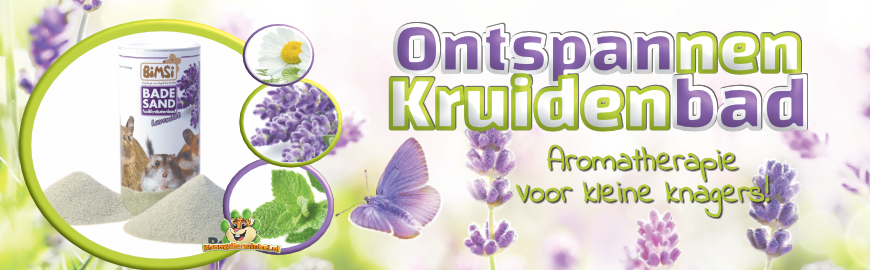
Herbal bath sand is still sepiolite bath sand, but enriched with finely milled dried herbs. Many owners love it as a “small upgrade” for enrichment: the scent experience is subtle for us, but animals have a far more sensitive nose.
The BiMSi® herbal bath blends are enriched with herbs such as lavender, lemon balm (melissa), mint and chamomile. The herbs are finely ground, so they won’t leave large bits stuck in the coat.
 BiMSi® Herbal Bath – Lavender
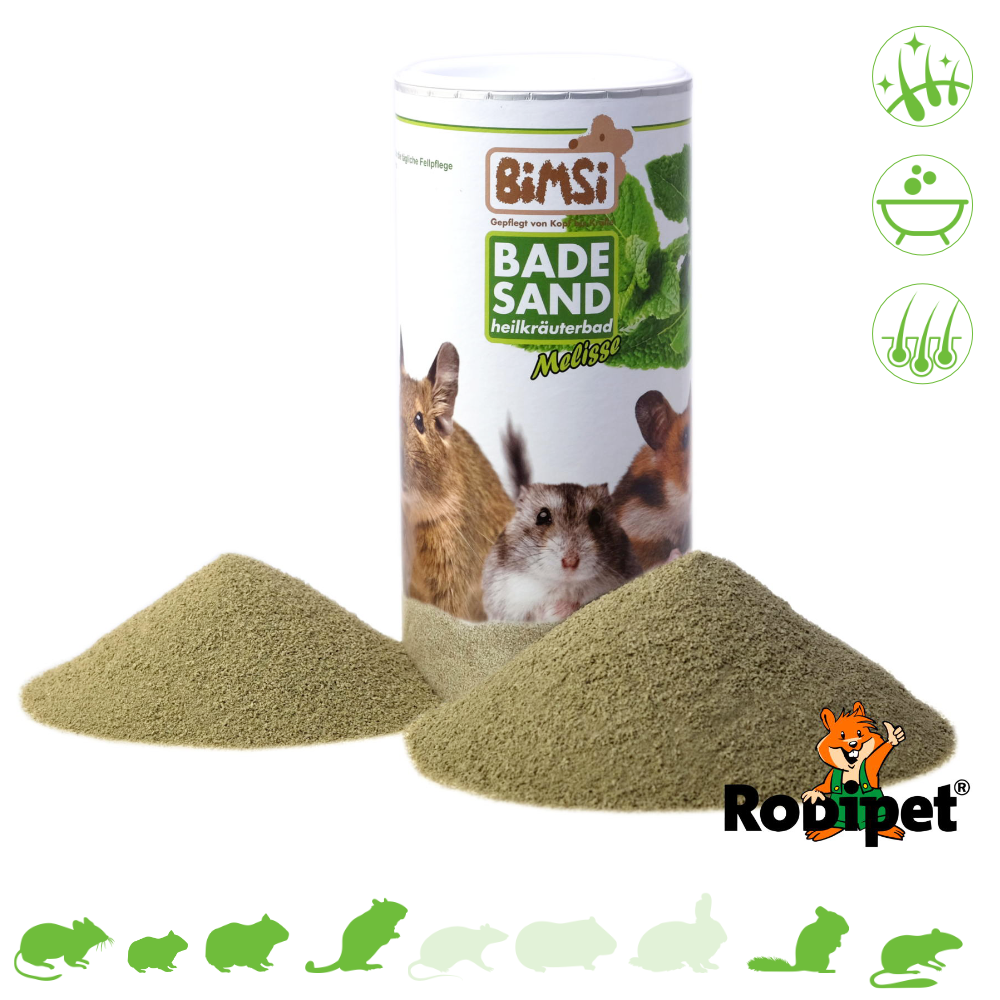 BiMSi® Herbal Bath – Melissa
 BiMSi® Herbal Bath – Mint & Chamomile
All sand & bath sand
BiMSi® Herbal Bath – Mint & Chamomile
All sand & bath sand
5) Common mistakes to avoid
- Using sharp sand (play sand/building sand) or shell grit: too coarse for coat and skin.
- Using very dusty sands: choose quality bath sand and keep good ventilation in the room.
- Letting sand get damp: moisture makes sand clump and can reduce hygiene.
- Placing the sandbox in full sun: animals can overheat quickly.
- Perfumed products meant for other purposes: stick to animal-safe bath sand.
Checklist: your sand bath setup (fast & simple)
- ✔ Choose a stable sandbox with safe entry
- ✔ Use quality sepiolite bath sand
- ✔ Add 3–5 cm sand (deeper is fine if your animal enjoys it)
- ✔ Keep it dry, out of direct sunlight, and refresh it regularly
- ✔ Want enrichment? Try a herbal bath variant
Tip: for chinchillas, choose sand specifically intended for chinchilla coat care: Chinchilla sand.
FAQ – sand baths
Can I use regular sand from outside or the hardware store?
We don’t recommend it. Regular sand is usually too coarse and can irritate coat and skin. Choose proper bath sand (sepiolite) instead.
How often should I replace the sand?
Remove droppings and dirty corners frequently. Replace fully when the sand feels less fresh, gets damp, or clumps.
My animal sneezes after bathing — what now?
Check ventilation, avoid overly dusty products, and keep the room calm (no drafts directly into the enclosure). If symptoms persist or you’re worried, contact a vet.
Do hamsters really need sand?
Many hamsters enjoy it, and for desert species (like Roborovski dwarf hamsters) it’s strongly recommended. You can find suitable options here: Hamster sand & sand baths.
Shop links: everything for a great sand bath
Need help choosing the right sand or sandbox for your species? Contact us — we’re happy to think along. Contact (DRD Knaagdierwinkel®)
Specialist since 2011.
Comments
Be the first to comment...