 Polski

Grain mites in the rodent enclosure
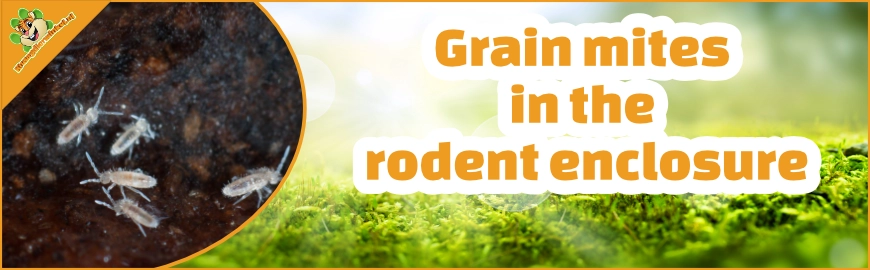
Seeing tiny pale “dots” around food or in the enclosure? These can be grain mites (storage mites). Learn why they appear, what to do immediately, how to tackle them practically, and how to prevent repeats with smart storage and hygiene.
Flour mites in a rodent enclosure: how to spot, fix and prevent
 Do you see tiny, light-coloured “dots” moving in the bedding or around food? Those can be flour mites (also called storage mites). The good news: flour mites usually don’t live on the animal like fur mites do. They mainly show up where food crumbs, moisture and warmth come together. In this blog you’ll learn how to recognise them, what typically causes them (spoiler: humidity), how to tackle them step-by-step, and how to prevent a return.
- ✔ Useful in summer periods
- ✔ Handy for terrariums
- ✔ Fast home check
- ✔ Practical for pest issues
- ✔ For cage & accessories
- ✔ Great for routines

- ✔ For action & prevention
- ✔ Helpful for recurring issues
- ✔ Clear overview per use
- ✔ Absorption = less moisture
- ✔ Great for spot cleaning
- ✔ Choice per species
1) What is a flour mite?
A flour mite (storage mite) is a tiny mite that mainly feeds on food residue—especially protein-rich leftovers or areas where mould can develop. You’ll often see them around food bowls, stored food, herbs/snacks, dried animal proteins, or crumb-heavy corners.
Unlike fur mites or mange mites, flour mites usually don’t live on the animal. If you notice clear itching, hair loss or scabs, consider other causes and involve a vet if you’re unsure.
2) Why do flour mites appear (especially in summer)?
Flour mites gain momentum when it gets warmer and humidity rises. In summer (or in stuffy rooms) a small start can escalate quickly. Most cases are a combination of:
- Moisture: wet bedding (urine, spilled water), condensation, limited ventilation.
- Heat: higher room temps, terrariums holding warmth, enclosure in direct sun.
- Food source: crumbs, food left too long, snacks/herbs that become damp.
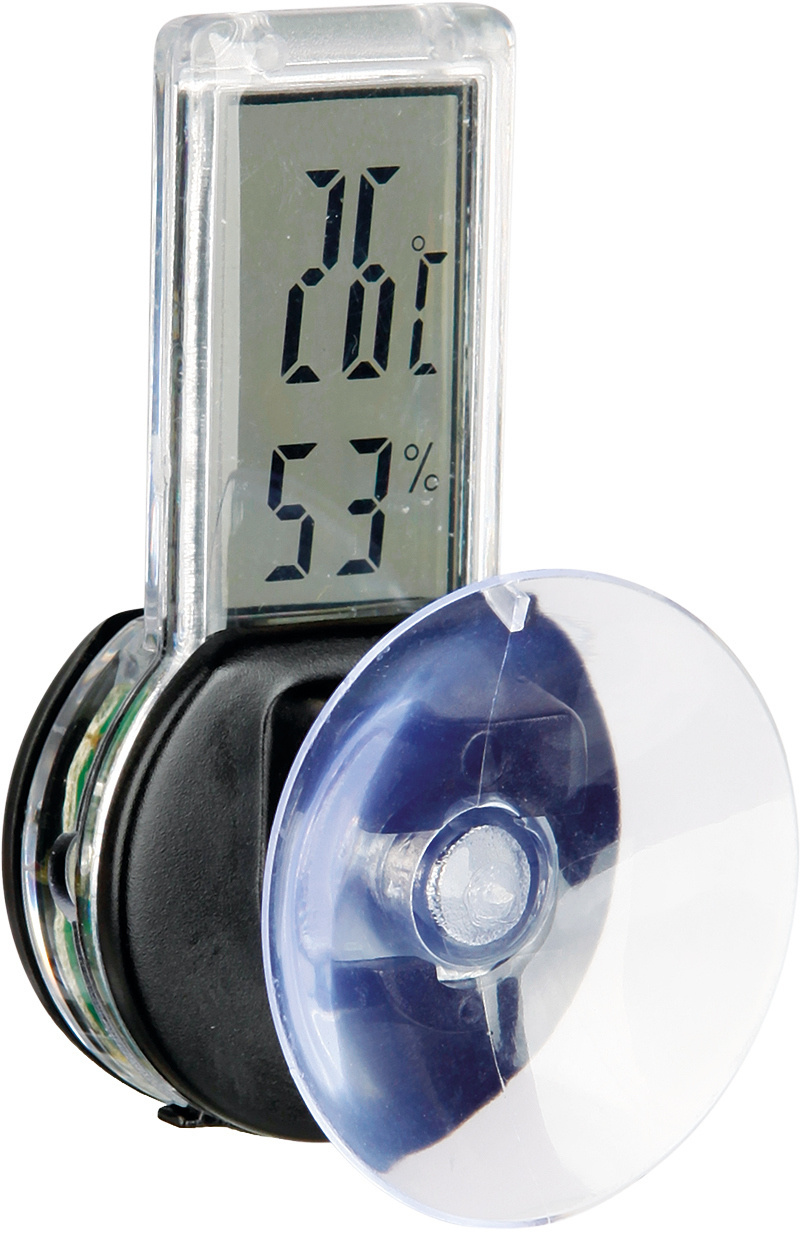
Tip: a thermo-hygrometer helps you confirm whether “heat + humidity” is the driver.
3) Action plan: how to get rid of flour mites
Step 1 – Remove the source
- Remove all food, snacks and herb dishes from the enclosure.
- Discard food that’s damp, clumpy or no longer fresh.
- Check your home storage too—open bags/buckets are often where it starts.
Step 2 – Deep clean (thorough, but practical)
- Remove all bedding.
- Clean the enclosure and all accessories, including seams and corners.
- Let everything dry completely before refilling (dryness is your best friend).
Shop by theme: Hygienically Clean.
Step 3 – Keep the enclosure drier
- Check the water setup: leaking bottles or a wet corner near a bowl keeps the issue going. See drinking bottles & water bowls.
- Ventilation: ensure moisture can escape (especially with terrariums).
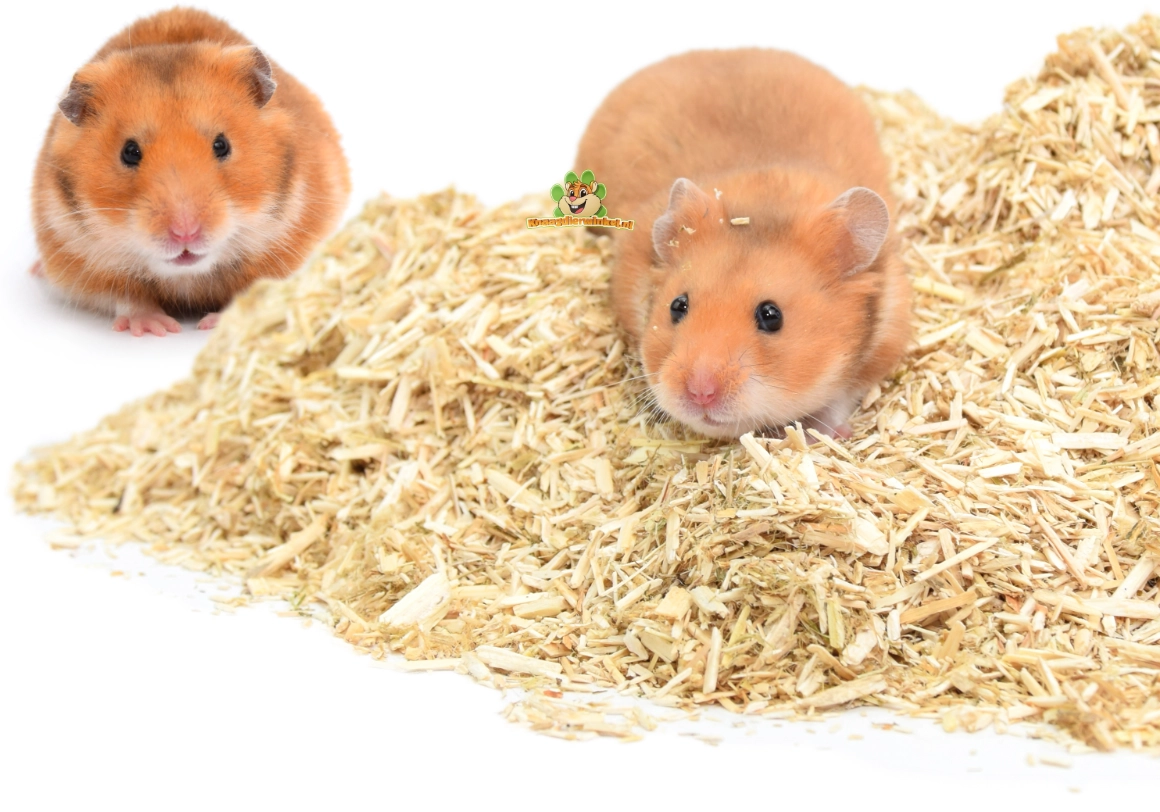
- Absorption: in warm periods choose dry, absorbent materials. Inspiration: cotton, paper & cardboard or hemp.
Step 4 – For stubborn recurring issues
If it returns quickly despite cleaning and drying, consider a targeted approach from Parasites & Pests.
Important: always follow instructions. Temporarily move your pet to a safe carrier, let treated surfaces dry/air out well, then set up again.
4) Prevention: storage & routine (this is the game-changer)
- Store food airtight and dry: sealed tubs work best—avoid damp sheds/garages.
- Open smaller amounts: less open stock at once reduces risk.
- Feed smart: small portions more often beats leaving food for days.
- Fixed spot-clean routine: remove wet spots immediately and clean feeding areas regularly.
- Avoid condensation: if you store food cool, let it reach room temp before opening.
Extra tip: a dry sand zone can help keep the setup “drier” and supports natural coat care in some species. See sand and (if suitable) sandboxes.
FAQ
1) Do flour mites live on my pet?
Usually they stay in/around food and in the enclosure. If you see itching, bald spots or scabs, consider other causes and ask a vet if unsure.
2) Why do they appear in summer?
Heat and humidity accelerate everything. Add crumbs and they become visible quickly.
3) Does freezing food help?
Cool storage can help, but avoid condensation. Let cool-stored food reach room temperature before opening.
4) When should I take extra steps?
If they return quickly, address storage and the room too and check Parasites & Pests.
5) Can I ask for tailored advice?
Yes. Tell us the species, enclosure type and bedding you use—we’ll think along.
Shop by theme
Need help troubleshooting your setup (bedding, water spot, storage)? Contact us via customer service. Specialist since 2011.









Comments
Be the first to comment...